
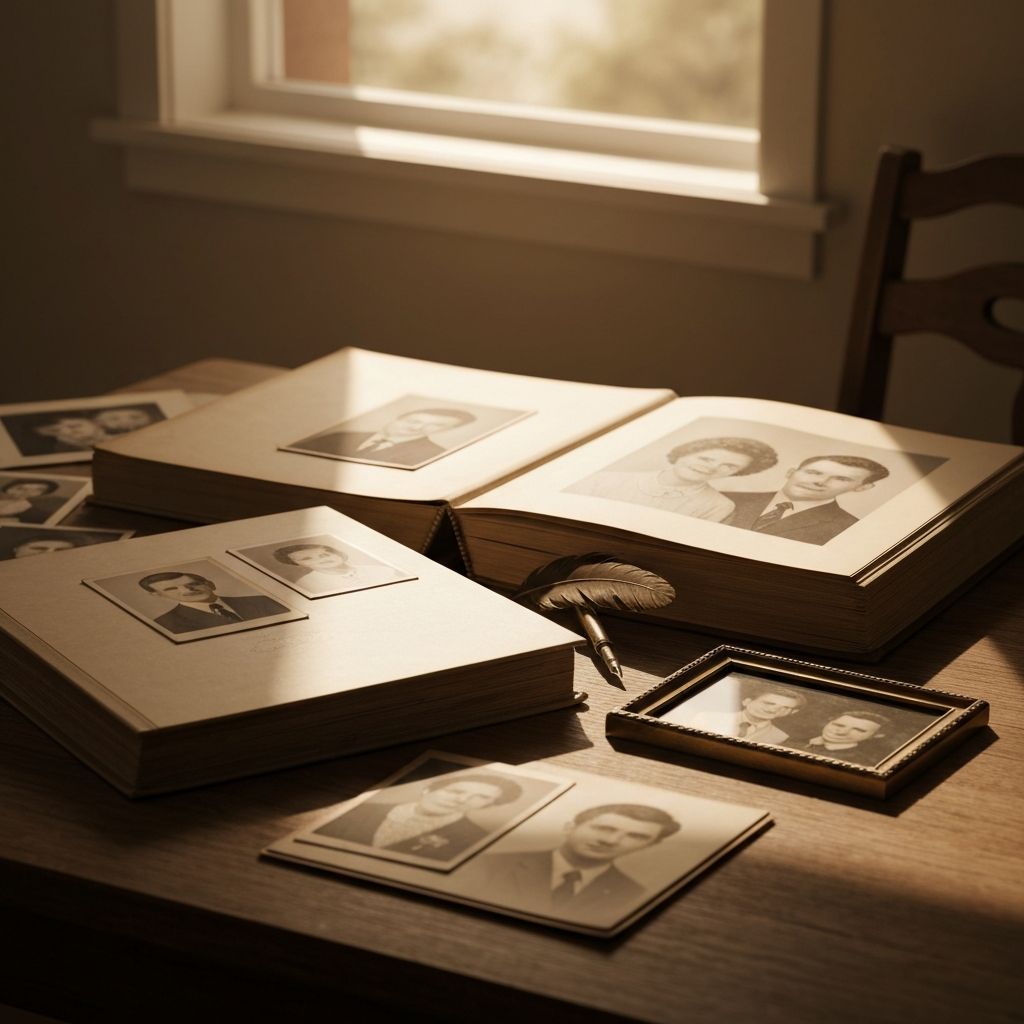
You have thousands of photos in the cloud. Years of emails. Voice messages from people you love. Social media posts documenting a decade of your life.
What happens to all of it when you're gone?
The problem no one talks about
We've become excellent at creating digital content and terrible at planning for its future. Most people have no idea what will happen to their online accounts, cloud storage, or digital memories after they die.
The default in most cases: accounts get locked, content becomes inaccessible, and years of memories effectively disappear.
Questions to consider
**Access:** Does anyone else have the ability to access your accounts? Will they know where to look?
**Ownership:** Do you actually own your digital content, or is it licensed from platforms that could shut down?
**Organization:** Would someone else be able to make sense of your digital archive? Or would they be overwhelmed by thousands of unlabeled files?
**Wishes:** Have you expressed what you want to happen to your digital presence?
Practical steps
**1. Create an inventory.** List your important accounts and where digital memories are stored. Keep login information in a secure location that a trusted person can access.
**2. Use platform tools.** Google, Apple, and Facebook all have legacy contact or inactive account manager features. Set them up.
**3. Back up what matters.** Cloud services can disappear. Keep local copies of irreplaceable content.
**4. Organize with the future in mind.** Label files meaningfully. Add context to photos. Make it possible for someone else to understand what they're looking at.
**5. Have the conversation.** Tell your family what you want to happen to your digital memories. It's an uncomfortable conversation, but an important one.
A new kind of inheritance
Previous generations passed down physical photo albums, letters, and heirlooms. We have an opportunity to pass down something even richer: organized, contextualized, living archives of our lives.
But only if we plan for it.